Somnath: The Eternal Flame of Bharat
Celebrating 75 Years of Faith, Courage and Cultural Continuity
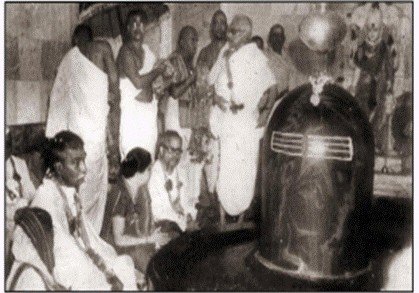
| Somnath is one of India’s most sacred pilgrimage centres and the first among the twelve Jyotirlingas of Lord Shiva. Despite repeated invasions since 1026, Somnath has remained a symbol of faith, resilience, and cultural continuity. Rebuilt in 1951 under national leadership, its reopening marked India’s civilisational resurgence. The Somnath Swabhiman Parv commemorates 1000 years since the first attack on the temple in 1026. It also marks 75 years of its reopening in May 1951. The Parv highlights the historic significance of the temple and celebrates its enduring legacy. To commemorate this event, Prime Minister Modi is visiting the Somnath Temple on May 11. Somnath, located at Prabhas Patan along the Saurashtra coast in Gujrat, is among India’s most sacred pilgrimage centres. The temple enshrines one of the most sacred Jyotirlingas mentioned in the Shiva Purana. It is revered for the worship of Lord Shiva, Lord Krishna and Shakti. The Dwadasha Jyotirlinga Stotram places Somnath first among the twelve Jyotirlingas. This reflects its foremost place in India’s spiritual and civilisational heritage. Somnath temple has been repeatedly ravaged and plundered by invaders over centuries; every time devotees and rulers have rebuilt it and restored its lost glory. Somnath therefore stands as a testimony to India’s unshattered faith that has risen victorious over repeated assault over centuries. It reflects the continuity of our civilisation, the depth of our faith, and the strength of our collective resolve. The origins of Somnath are deeply embedded in ancient Indian tradition. The site is closely linked with Lord Shiva and the worship of Chandra, the Moon God. 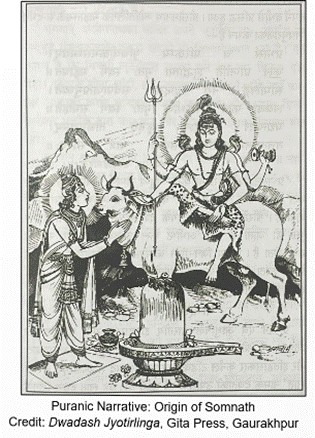 Over centuries, Somnath witnessed multiple phases of construction. Ancient traditions describe successive temples built using different materials, symbolising renewal and continuity. The most turbulent phase of Somnath’s history began in the eleventh century. In January 1026, Somnath faced its first recorded attack by invaders. This marked the beginning of a long period during which the temple was repeatedly destroyed between the eleventh and eighteenth centuries. Every time the temple was destroyed, devotees and kings came ahead to rebuild it. Prominent among these were King Kumarapala who restored the temple in the 12th Century. The King of Junagarh rebuilt it in the thirteenth century. After yet another destruction, Lokmata Ahilyabai Holkar, the Maratha queen of Indore chose to consecrate a new temple at Somnath in the eighteenth century. Thus, despite repeated destruction, Somnath never disappeared from the collective consciousness of the people. Following Independence, Sardar Vallabhbhai Patel visited the ruins of Somnath in 1947 and resolved to rebuild the temple. His vision was rooted in the belief that the reconstruction of Somnath was essential for restoring India’s cultural confidence. Supported through public participation and national resolve, the present temple was constructed in the Kailash Mahameru Prasad architectural style. On 11 May 1951, the temple was ceremonially consecrated by President Dr. Rajendra Prasad. 75 years later, Somnath stands rejuvenated as a symbol of national pride and spiritual endurance. |